Research that's Changing the World
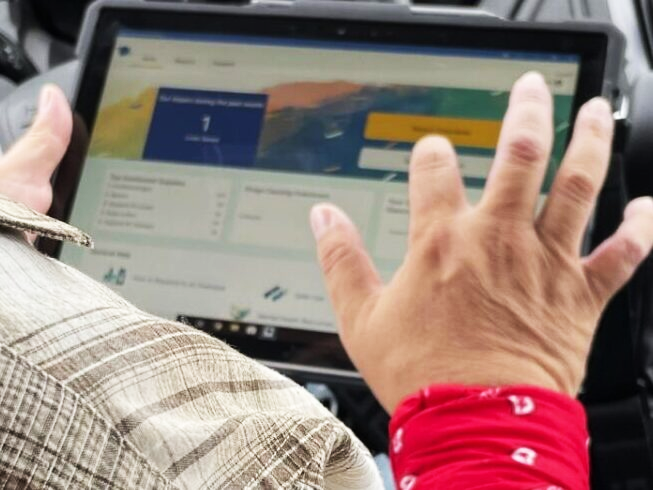
Kasey Claborn’s research is changing the way the community responds to the overdose and opioid crisis in Texas. Pioneering the digital platform, Texans Connecting Overdose Prevention Efforts (TxCOPE), Claborn is changing the use of overdose data by merging information from emergency responders with community data that is typically not captured by the healthcare system. TxCOPE uses the data to track the location of most frequent overdoses and the prevalence of certain drugs to help public health agencies set up community-specific targeted plans of action and response efforts. As a result of Claborn’s work, overdose prevention and care has improved, and policy changes in Texas have enhanced coordination between academic, government, healthcare and community organizations.
What Starts Here
A clinical psychologist and associate professor in the Steve Hicks School of Social Work, Claborn is nationally recognized for her expertise at the intersection of addiction and development of digital health innovations. She is also director of the school's Addiction Research Institute and co-director for the South Southwest Addiction Technology Transfer Center. Having received over $17 million dollars in external research funding from organizations such as the National Institutes of Health, the Substance Abuse and Mental Health Services Administration, and the Health Resources and Services Administration, she is a leading figure in improving the addiction system of care through community based participatory research methods and systems science.
Beyond the Forty Acres
Daniel Sledge, former Lead Outreach Medic, Round Rock Fire Department and now Academic Detailer, Pharmacy Addictions Research & Medicine Program, College of Pharmacy at The University of Texas at Austin: "Dr. Claborn could teach a masterclass on how to sincerely partner with community agencies to generate synergistic effects for common goals. TxCOPE has already improved the way we provide care, and I’m confident that as the project continues to scale across the state, so, too will its impact on lives saved."