Research that's Changing the World
Junfeng Jiao evaluates how cities are built and uses data science, technology and urban studies to help make cities smarter, more efficient and better places to live. He is a world-renowned expert in urban informatics and his scientific contributions to the smart city field of study have enhanced community well-being by expanding access to healthcare, nutritious food, transportation and employment opportunities.
What Starts Here
An associate professor in the School of Architecture’s Community and Regional Planning Program, Jiao founded the Urban Information Lab when he first joined the University in 2013. The lab has raised a significant amount of external research funding from agencies and organizations that include the National Science Foundation (NSF), U.S. Department of Transportation, U.S. Department of Energy, U.S. Housing and Urban Development, MITRE and Microsoft. This funding is used to study the urban environment and better understand its impact on people’s behavior and health. Jiao is also a founding member of UT's Good Systems and Texas Smart Cities and the NSF NRT Ethical AI program.
Beyond the Forty Acres
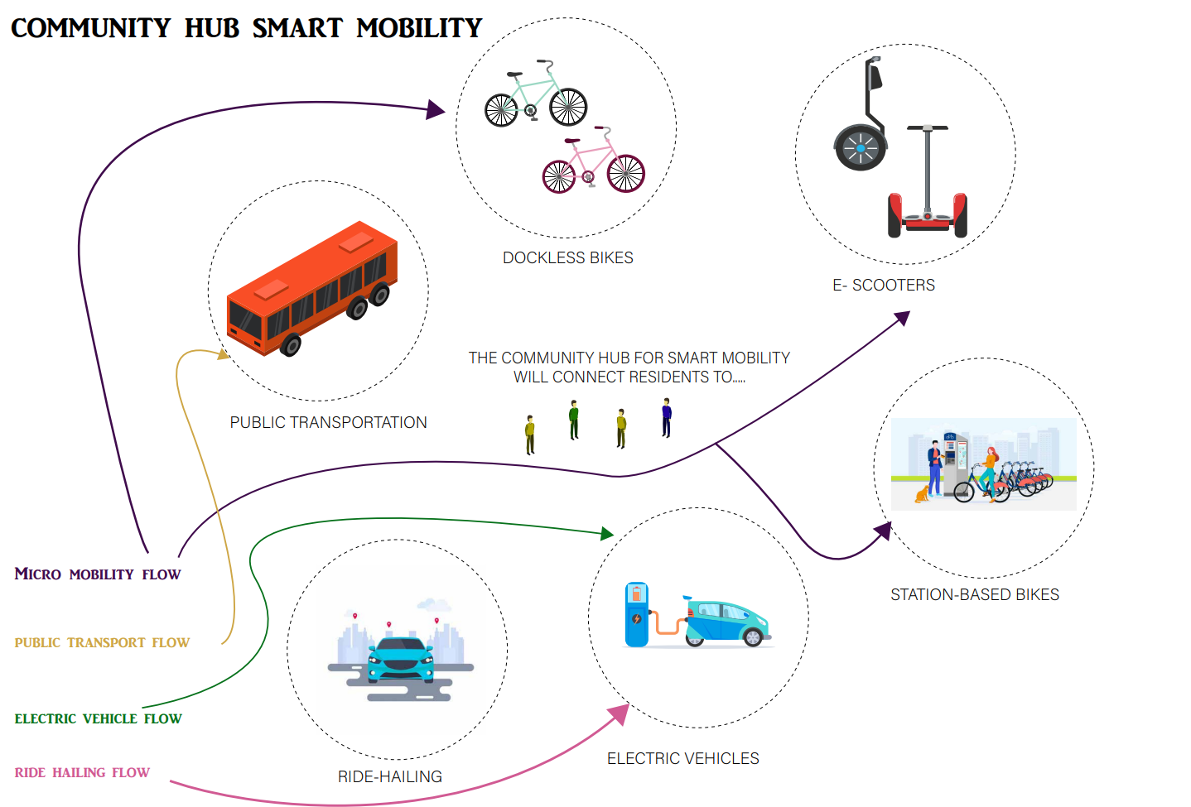
Heather Bishop, Associate Project Manager, Austin Transportation Public Works: "It was a privilege to work alongside Dr. Jiao and his passion and professional commitment to the Community Hub for Smart Mobility (CHSM) in Austin’s Georgian Acres Neighborhood. The purpose of this NSF-funded research project was to provide sustainable, scalable and transferrable proof of concept for addressing a national issue - the spatial mismatch between housing affordability and jobs in a transit desert. Because of the CHSM research pilot program, senior citizens were able to utilize a circulator van service to attend medical appointments, single mothers safely traveled to obtain groceries, and young people had more opportunities to obtain employment. Amenities such as benches, shade, solar-powered device charging and lighting provided additional community benefit."