MINT
Metal Intervention Network and Therapy Program: Studying and Targeting Metal Response in Tumor Radioresistance
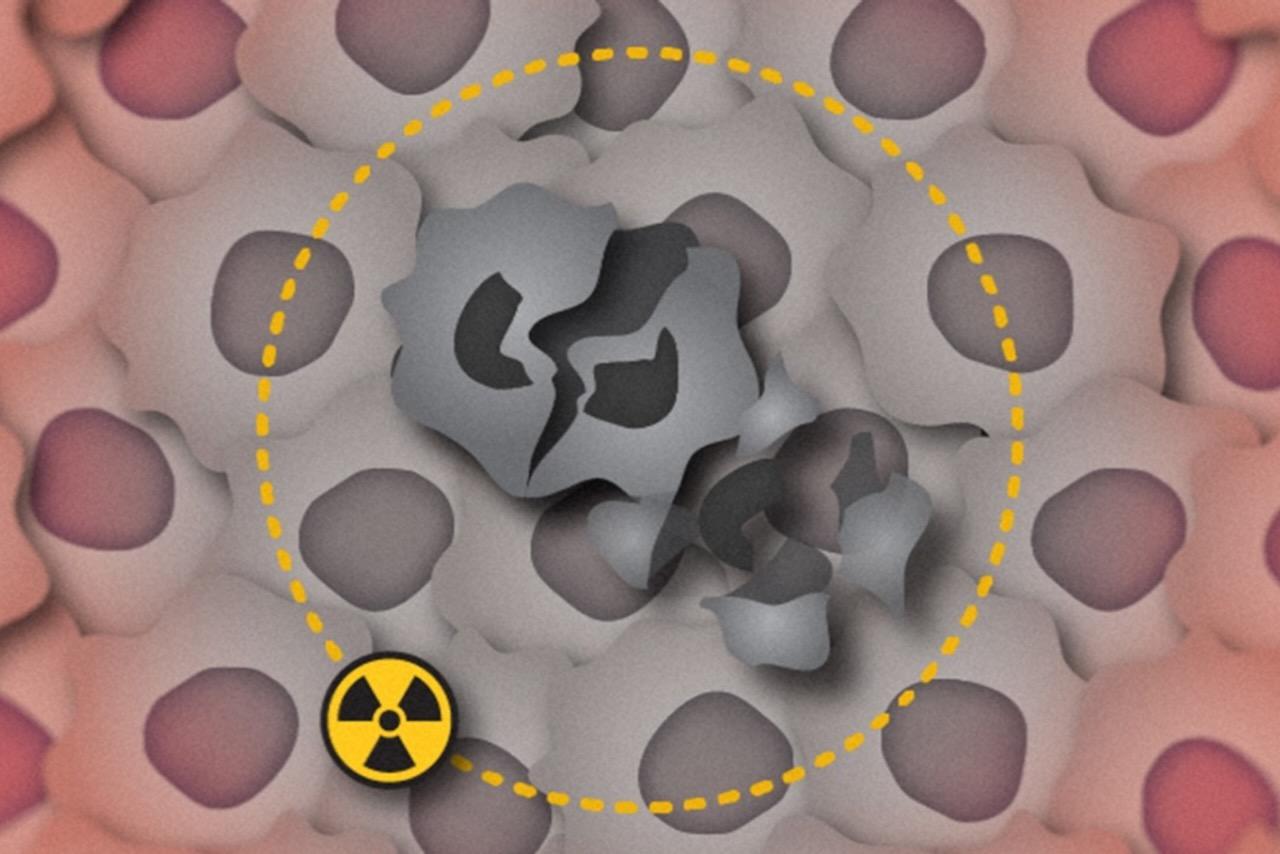
About half of all of cancer patients, including those with thoracic (lung and chest) cancers, receive radiation therapy (RT) as part of their treatment. However, many patients don’t respond to RT due to radioresistance – either intrinsic resistance to RT or acquired resistance after initially responding to treatment, leading to recurrence of the cancer. This underscores the urgent need to understand why radioresistance occurs and to identify new treatments for it.
Metal ions are essential for many normal cell functions, but abnormal levels of some metals can cause oxidative stress and cell death. When metal levels in cells are not properly regulated, it can lead to therapy resistance, including RT.
This project aims to investigate the fundamental mechanisms of metal chemistry and biology in order to develop strategies to combat radioresistance in thoracic cancers. The multidisciplinary research team, led by experts in cancer biology, radiation oncology and chemical biology, will use advanced tools and resources from their institutions to bridge the gap between basic research in metal chemistry and the clinical applications of metal-based therapies to target radioresistance. The goal is to advance the understanding of metal chemistry and biology, paving the way for new metal-based therapies to overcome radioresistance in cancer treatment.
Team Members
MD Anderson

Boyi Gan
Professor
Experimental Radiation Oncology
Jared Burks
Professor
Leukemia

Albert Koong
Professor and Division Head
Radiation Oncology

Ziyi Li
Assistant Professor
Biostatistics
Steven H. Lin
Professor
Radiation Oncology
Charles Manning
Professor
Cancer Systems Imaging
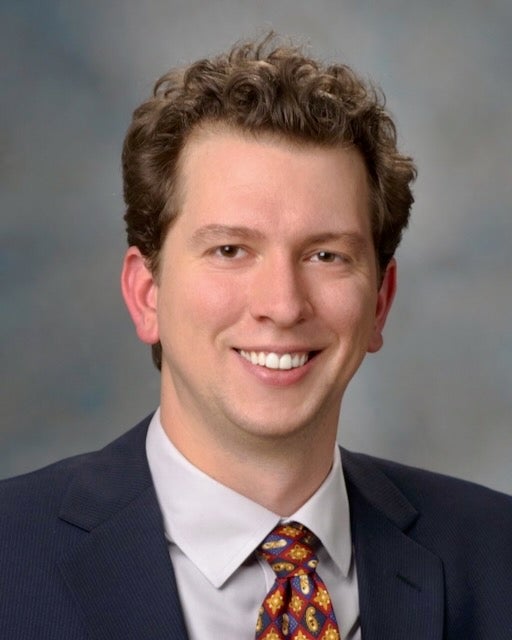
Nicholas Navin
Professor and Chair
Systems Biology

Erin Seeley
Director
Mass Spectrometry Imaging Core
UT Austin

Eun Jeong Cho
Research Scientist
College of Pharmacy

Yi Lu
Professor
Chemistry
College of Natural Sciences

Vagheesh Narasimhan
Assistant Professor
Integrative Biology
College of Natural Sciences
News
Researchers Advance Fundamental Understanding of Metal Biology to Help Cancer Patients
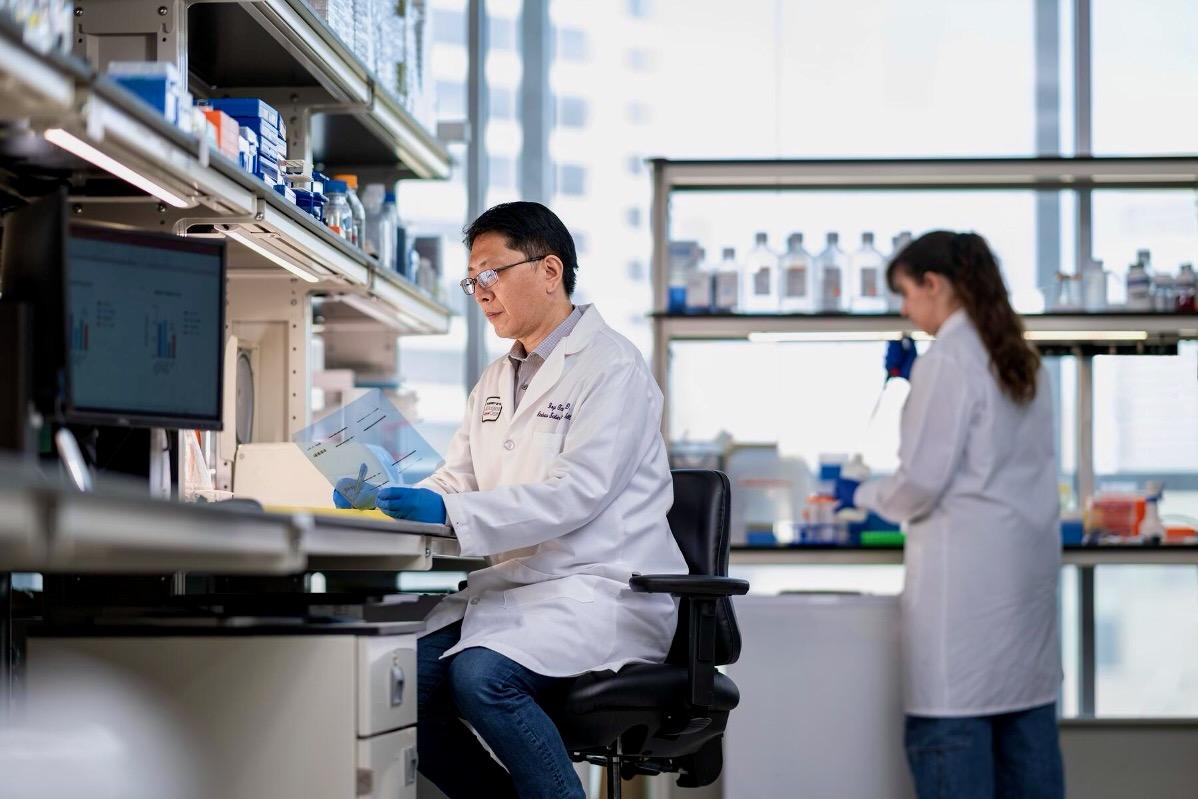
Copper-induced cell death activates immune system, may help overcome immunotherapy resistance
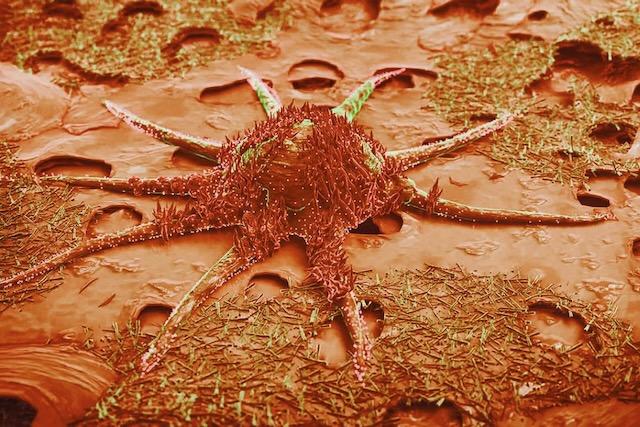
UT MD Anderson – UT Austin Collaborative Research Summit Showcases Practice-Changing Innovation to Advance Cancer Care, Diagnosis, and Prevention in Texas and Beyond
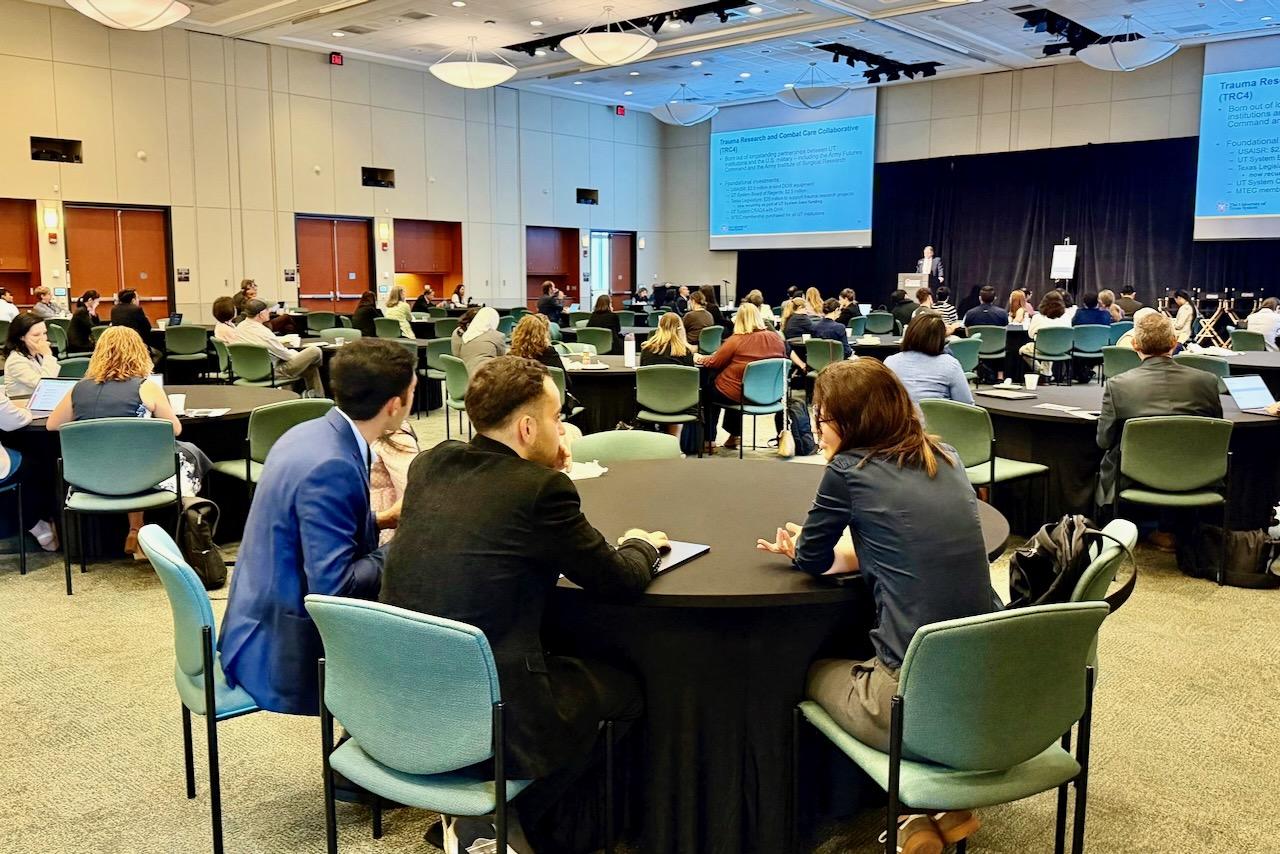
Agents that cause 'copper overload' can overcome radiotherapy resistance in preclinical models
UT Austin and MD Anderson Launch Joint Initiative to Advance Breakthroughs in Cancer Research
The University of Texas at Austin and The University of Texas MD Anderson Cancer Center have launched a joint initiative, the Collaborative Accelerator for Transformative Research Endeavors, to enable groundbreaking research projects that align complementary strengths to improve cancer prevention, diagnosis, treatment and survival.