EMPATHIC
Environmental Microplastics and systemic PATHology, Inflammation and Carcinogenesis
The incidence of many chronic diseases, including cancer, is rising worldwide. Solid tumors that used to mostly affect older adults are now increasingly seen in younger people, suggesting that environmental factors may play a role. Rates of early-onset cancers, like colorectal and pancreatic cancers, are rising each year at an alarming rate.
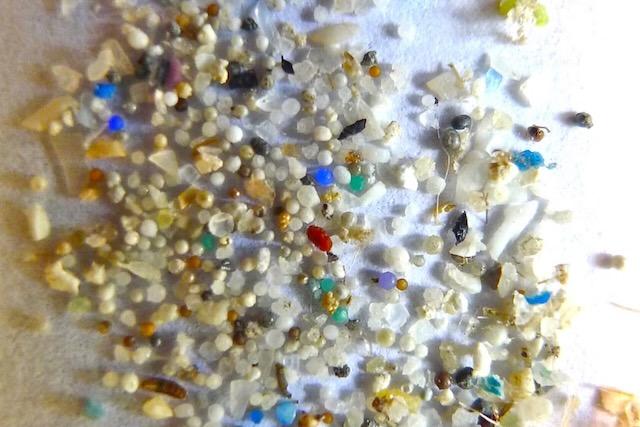
Microplastics are tiny plastic fragments found everywhere – in animals, plants, food and water. Recent evidence shows that these microplastics can build up in the human body and are linked to inflammatory and degenerative diseases.
This project will investigate the role of microplastics in cancer development and progression. Researchers will characterize microplastic contamination in the environment and our diet, improve ways to detect microplastics in animal tissues, and determine how they affect organs and tumor growth. By analyzing microplastics in human normal tissues and early cancer conditions, researchers will explore how microplastics might cause cancer. They will also study if microplastics can affect how well cancer treatments work.
This study represents the first comprehensive approach to address microplastic pollution as a potential contributor to rising cancer rates, with an emphasis on early-onset cancers. The goal is to leverage a multidisciplinary approach to develop new tools to detect microplastics, to identify biomarkers of plastic exposure to help assess cancer risk, and to inform public health strategies to reduce exposure to microplastics in food and water, helping to prevent cancer.
Team Members
MD Anderson

Andrea Viale
Associate Professor
Genomic Medicine

Erin Seeley
Director
Mass Spectrometry Imaging Core

Huamin Wang
Professor
Pathology
UT Austin

Zhanfei Liu
Professor
Marine Science
College of Natural Sciences
News
The Microplastics Inside Us: Understanding Their Effects on the Human Body
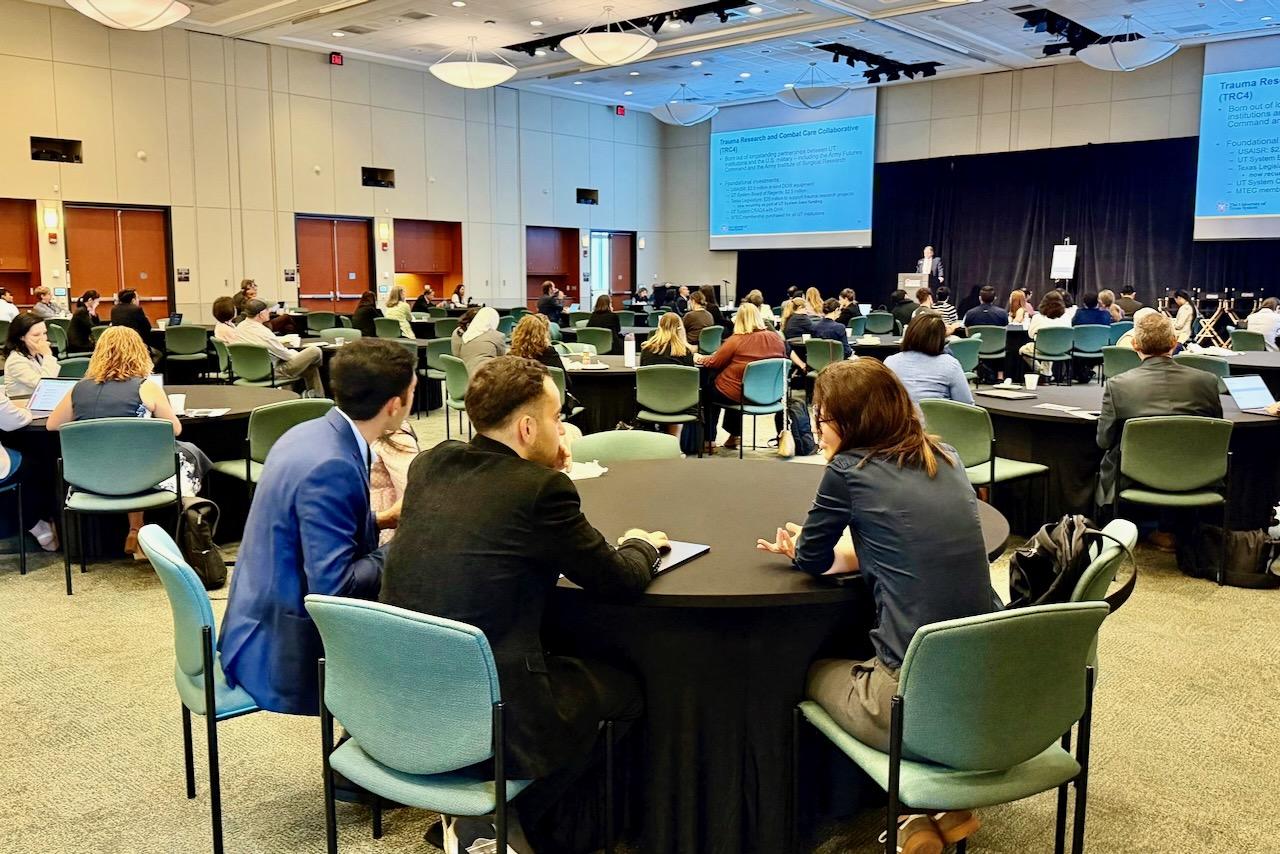
UT MD Anderson – UT Austin Collaborative Research Summit Showcases Practice-Changing Innovation to Advance Cancer Care, Diagnosis, and Prevention in Texas and Beyond
Understanding microplastics: Exposure, health and prevention

UT Austin and MD Anderson Launch Joint Initiative to Advance Breakthroughs in Cancer Research
The University of Texas at Austin and The University of Texas MD Anderson Cancer Center have launched a joint initiative, the Collaborative Accelerator for Transformative Research Endeavors, to enable groundbreaking research projects that align complementary strengths to improve cancer prevention, diagnosis, treatment and survival.