

A Q&A with Fernanda Leite, UT’s Vice President for Research
We have a very special guest to kick off a new year of profiles: the veep herself, Fernanda Leite, who was officially named UT’s fourth vice president for research earlier this summer.
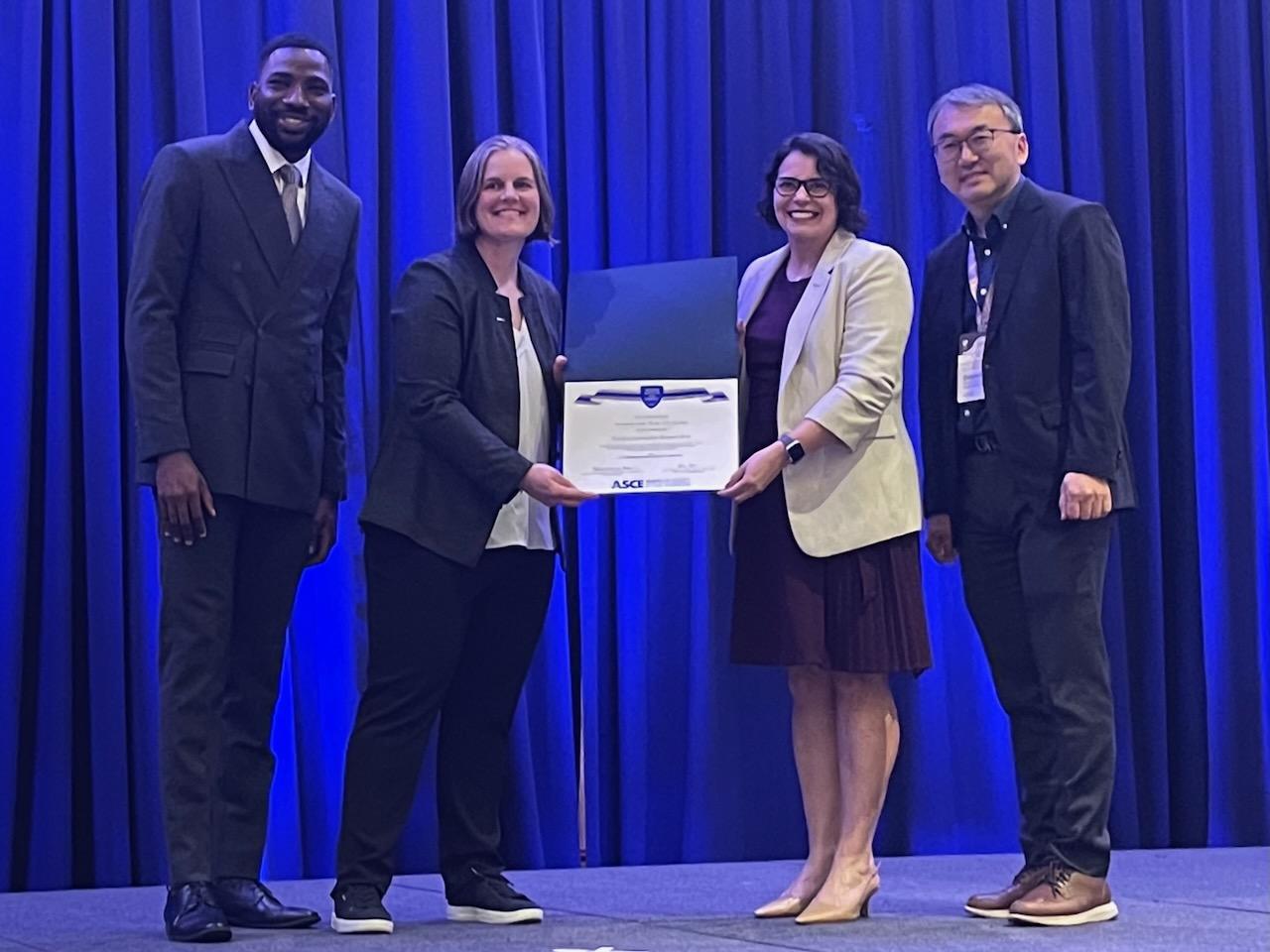
Prior to taking the reins at OVPR, Leite served as associate dean for research at the Cockrell School of Engineering, where she helped launch major interdisciplinary initiatives in semiconductors, quantum science, robotics and AI. She also led cross-campus efforts, including OVPR’s own Planet Texas 2050 grand challenge. Earlier this year, she received the 2026 Peurifoy Construction Research Award from the American Society of Civil Engineers — only the third faculty member from UT to receive the prestigious award.
We asked Leite (that’s pronounced “LAY-chee,” by the way) about growing up in Brazil, how her career as an engineer helped prepare her to be a leader and how she views her role as VPR. And if you’re looking for good sushi, her daughter knows just where to send you.
First, congratulations again on "becoming official" as UT's VP for research! What was your reaction? Did you celebrate with your family? How was it different from being named the interim VP last year?
Thank you! It was a very meaningful moment. Being asked to serve as interim VPR last year was both an honor and a tremendous responsibility. Being appointed to the permanent role felt different because it represented a vote of confidence in the direction we've been heading together. It gave me the opportunity to think beyond the immediate challenges and focus on the long-term future of Texas Research.
I did celebrate with my family. They've been with me through every stage of my career, and none of this would have been possible without their support.
How would you describe your job? What does a typical day look like for you? Are you still conducting your own research and mentoring graduate students?
Our job in OVPR is about creating the conditions for great research to happen. That means helping faculty pursue ambitious ideas, strengthening our research infrastructure, building partnerships and making sure researchers across campus have the support they need to succeed.
No two days are alike. One day I might be meeting with federal agencies or other VPRs; another day I am discussing research strategy with university leadership or OVPR senior staff, reviewing major initiatives or celebrating faculty achievements. I also spend a lot of time listening — understanding what's working and where we can improve.
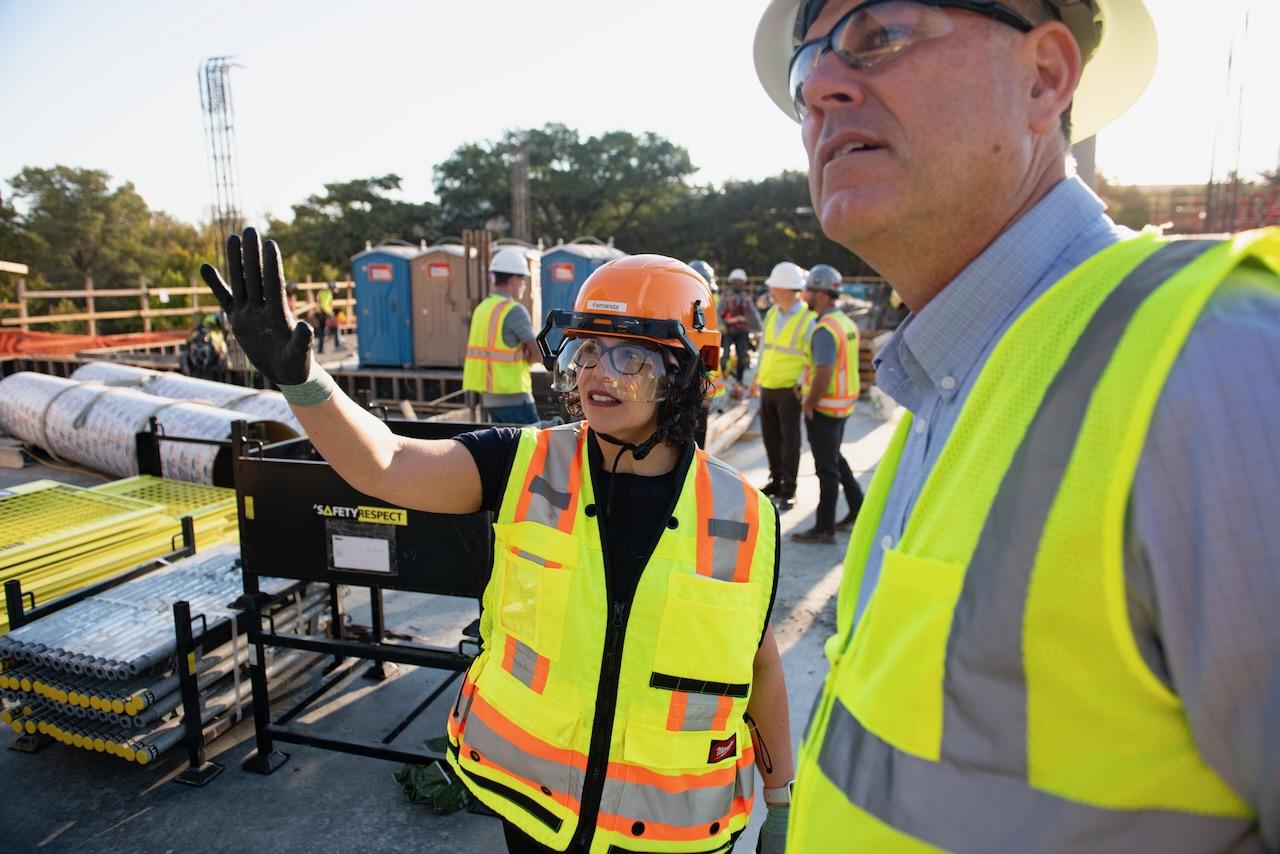
As an engineer and capital projects planner by training, I enjoy solving complex problems and thinking strategically about the future, but I also believe that good ideas only matter if they can be put into action. That's why I enjoy bringing people together, building partnerships, and translating strategy into practical, operational solutions that help move the university forward.
I still remain engaged with my own research program and continue to mentor Ph.D. students, although not at the level I once did. Staying connected to research helps keep me grounded in the day-to-day realities our faculty and students experience.
What are your goals and top priorities as VPR?
One of our biggest priorities in OVPR is helping UT continue to grow its research excellence while making it easier for our faculty to do what they do best: discover, innovate and create impact.
That means strengthening our research infrastructure, supporting interdisciplinary collaboration, investing strategically in emerging areas and expanding partnerships with key stakeholders.
Ultimately, our goal is to help create an environment where researchers can pursue bold ideas that improve lives and address society's biggest challenges.
Tell us a little about your own background as an engineer and how that prepared you for becoming a leader at Cockrell and now at OVPR. What made you decide to pursue engineering?
I grew up fascinated by how things get built. As a child, I loved visiting construction sites with my grandfather, who was a developer in Brazil. Watching teams transform an empty piece of land into something that would serve people for decades left a lasting impression on me.
That curiosity led me to civil engineering, where I became interested in how technology and data could improve the way we design, build and operate buildings and infrastructure systems.
Engineering teaches you to solve complex problems by bringing together people with different expertise. Leadership isn't all that different. You're constantly bringing together talented people with different perspectives, helping them work toward a common goal, and creating opportunities for them to succeed.
What is your favorite thing about the job so far? Any big surprises?
The best part of the job is seeing the incredible breadth of research happening across UT. Every week I learn about discoveries in fields ranging from quantum science and energy to health, AI, education, the arts and the humanities. It's impossible not to be inspired.
The biggest — and most pleasant — surprise has been the people. I knew OVPR had an outstanding reputation, but I've been continually impressed by how talented, collaborative and mission-driven our staff is. Everyone is deeply committed to supporting our researchers and advancing UT's mission, often behind the scenes and without seeking recognition. Working alongside such a high-performing team has given me an even greater appreciation for everything that goes into enabling world-class research.
I know you grew up in Brazil. Tell us about that. Is a lot of your family still there? Do you get to visit regularly?
I grew up in Fortaleza, a coastal city in northeastern Brazil, and most of my family members still live there. It was a wonderful place to grow up, with a strong sense of community and family. I did spend part of my childhood in the United States while my father pursued a master's and a Ph.D. at Texas A&M. Moving back to the United States for graduate school was a significant step — one that my husband and I took together, as we both pursued our Ph.D.s in Civil and Environmental Engineering at Carnegie Mellon.
I still enjoy visiting Brazil whenever I can. It's always special to reconnect with family, friends and the places that shaped who I am. My husband and I are from the same hometown, and we make it a priority to take our daughter back every year so she can spend time with her grandparents, aunts and uncle, cousins and extended family, and develop a strong appreciation for her Brazilian roots and the culture that has been such an important part of our lives.
I'm sure you have very little free time these days, but what do you like to do in your downtime?
I try to start most weekday mornings with a 6 a.m. exercise class. It's become an important part of my routine and helps me stay healthy and energized for the day ahead. On weekends, I enjoy playing tennis whenever I can — it's a great way to stay active while having fun.
I also love spending time outdoors with my family, even if it’s just a simple walk in our neighborhood on weekends to get breakfast together.
We also enjoy Austin's incredible food scene. Japanese food is our current family favorite, given a recent trip we took to Japan. To prepare our daughter, we spent months ahead of the trip exploring Japanese restaurants around town. Our daughter's top pick is Kome, while my husband and I enjoy being a little more adventurous and trying different omakase restaurants. It's always fun to discover a new favorite.
Whenever I have time, I also enjoy reading. I find that learning from different fields often provides fresh perspectives that are surprisingly applicable to research leadership. Recently I've enjoyed books like “How Big Things Get Done,” by Bent Flyvbjerg and Dan Gardner, and “The Power of Geography,” by Tim Marshall.
And finally, what is your favorite place in the world, and why?
That's a difficult question because I've been fortunate to travel to many incredible places through both work and personal travel. Rather than choosing a favorite place, I'd say the most memorable trip I've taken was to the Galápagos Islands. The opportunity to experience such a unique ecosystem — both above and below the water — was unforgettable. Seeing the incredible marine life while snorkeling alongside sea lions, sea turtles, marine iguanas, rays, sharks and schools of colorful fish left me in awe of the natural world.