It was early August, one of the first sweltering days of a heat wave that would last the rest of the month — the kind of long, punishing stretch that swallows Central Austin every summer now. For the birds and squirrels outside UT’s Visual Arts Center, the only escape was the shade of a live oak. Inside, the building looked and sounded less like a museum than a house mid-renovation: workers in hard hats, exposed studs, the shrill whine of a circular saw duetting with the bangs of a hammer.
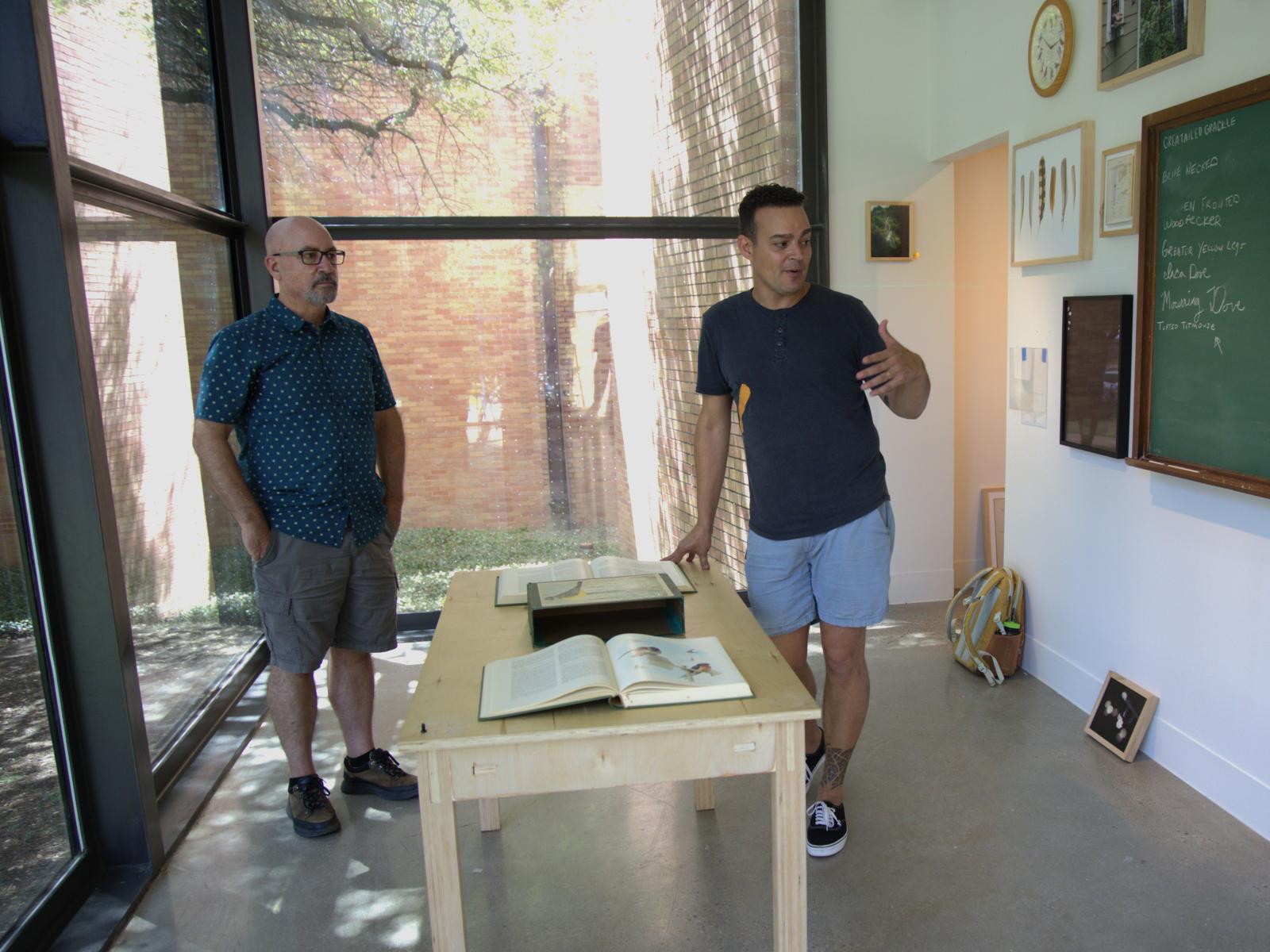
In a glass-walled room on the building's south side, the football stadium looming through the windows, artist Mark Menjívar was giving two visitors a preview. Integrative biology professor Tim Keitt and his graduate student Brian Stokes had come to see his progress. Just outside, two workers were pressing a film of tiny white dots across the panes, a grid to keep birds from crashing into the windows. A poignant finishing touch — and an apt one, given that birds are the stars of the installation on the other side of the glass.
Despite the title, the exhibition is no gardening manual. It gathers 15 artists — five of them collaborators with Planet Texas researchers, much of that work grounded in UT climate data — around how communities across the South might adapt to rising heat, larger floods and shifting ecosystems. Co-curated by the VAC's Melissa Fandos and guest curator Erika Mei Chua Holum, it's less a lecture than an invitation: rigorous science translated into visual art.
Cool Beans
If you're wondering what a cowpea is, you're not alone. Fandos, raised in the Midwest, knew them as black-eyed peas, and hadn’t heard of them either until a neighbor mentioned it was a fine day to plant some.
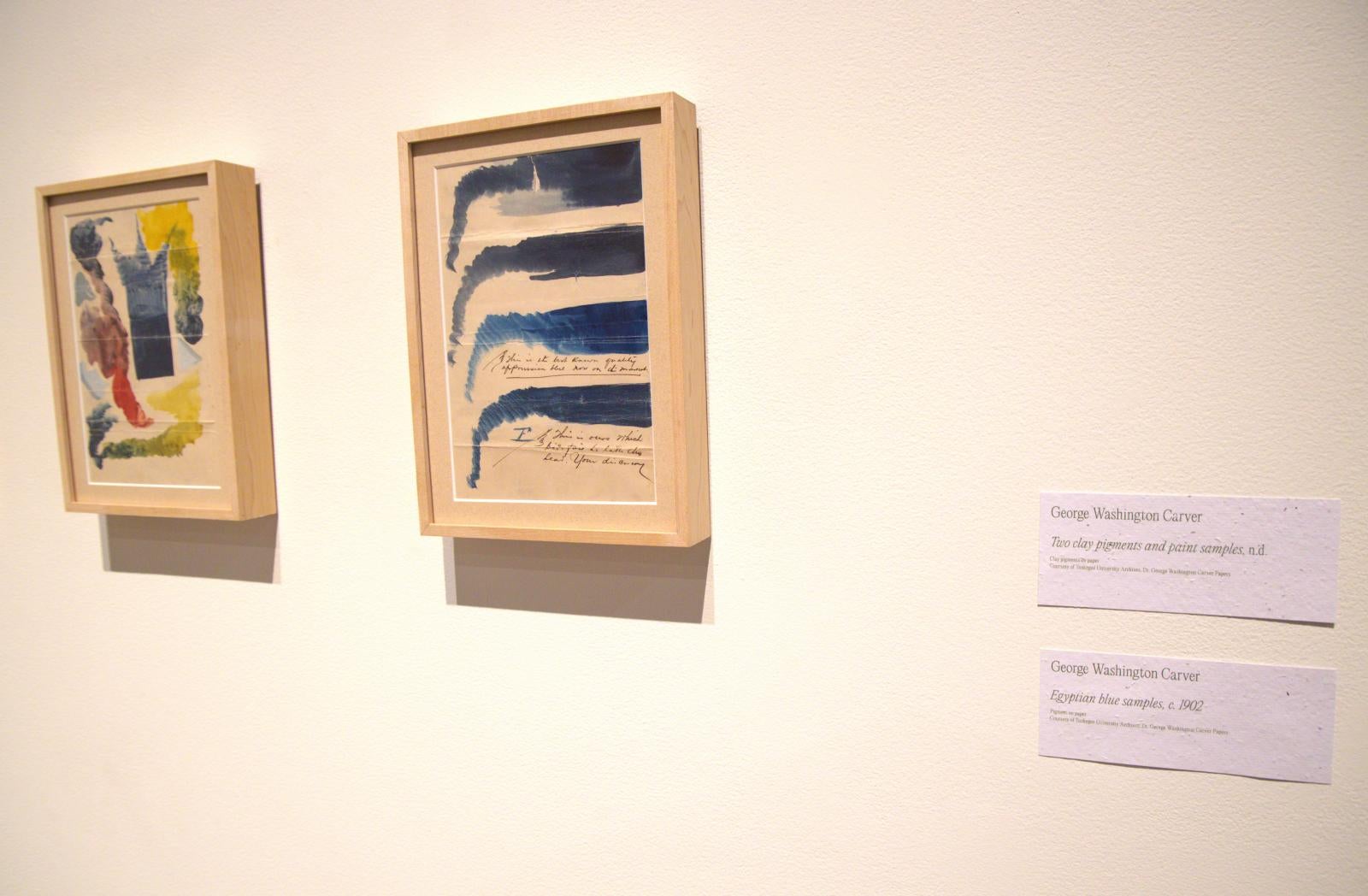
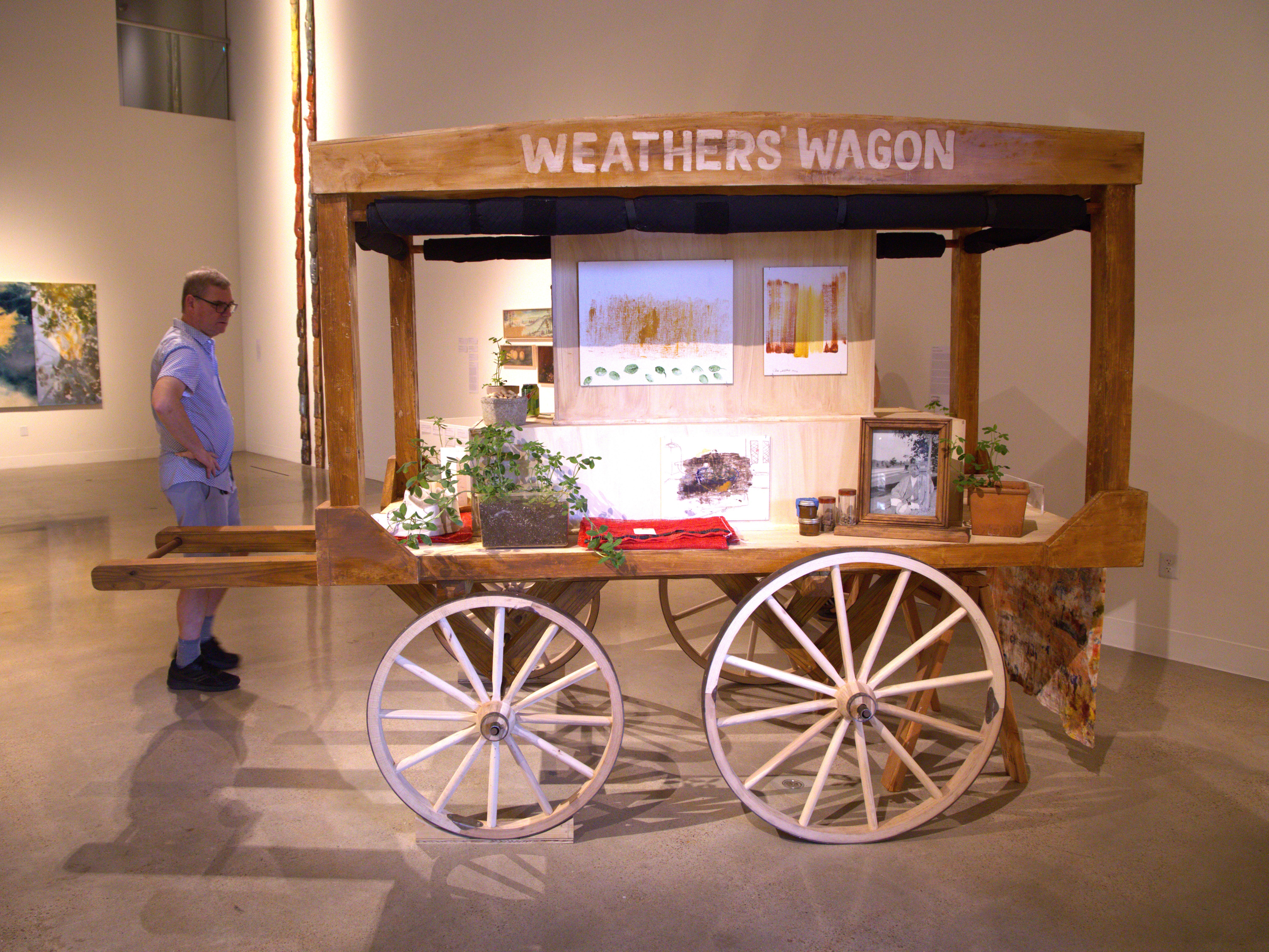
The name of the exhibition comes from George Washington Carver, the scientist best known for his peanut research at Tuskegee, who also — less famously — painted, using pigments he made from Alabama clay. Carver wrote some 50 pamphlets aimed at teaching Black farmers in rural Alabama to grow, cook and sell resilient crops; one was “How to Grow the Cow Pea, and 40 Ways of Preparing It as a Table Delicacy.” He paired the bulletins with demonstrations, carting seeds and tools into rural towns on a mobile classroom, the Jessup Wagon, and handing out starter kits.
The legume earns its place in the title. It loves extreme Southern heat, and its history runs deep: people who were enslaved are said to have carried the seeds from Africa to the Americas hidden in their hair. Inside one small bean, Fandos said, is everything it needs to survive. "The seed is a record of future life itself, self-contained, sustained," she said. "You plant it, and it produces."
The exhibition, which gets its name from a George Washington Carver pamphlet, includes several of Carver's original paint samples, which he made from Alabama clay.
For Holum, that how-to spirit runs through the whole show. "It is very clear, through the work of George Washington Carver, as well as through all the research and artistic practices,” she said, “that these are strategies, these are lessons, these are sets of instructions that have survived, and that will really carry the different tools that I believe generations will need.”
What Fandos wanted was less illustration than invitation — a "holistic and generous approach to sharing information with people," built from "entry points." "Come learn about this thing that I do that you can take up and do yourself,” as she put it.
Integrative biology professor Tim Keitt (left) and artist Mark Menjívar discuss Menjívar’s installation in August, before the exhibition opened. Research on birds by Keitt and one of his graduate students, Brian Stokes, inspired and informed Menjívar’s work.
In the Field
The exhibition grew out of the VAC's long relationship with Planet Texas 2050, which has supported several of its exhibitions. Fandos and VAC director Max Fields had been kicking around a climate-themed show of their own, and then PT2050 program director Heidi Schmalbach floated a collaboration. The cowpea seed had been planted.
For the scientists, the collaboration did something their day jobs don't. "It's been great to be part of Planet Texas," Keitt said. "It's really nice to be pulled out of your ordinary, very technical way of thinking, because art gives you this new perspective."
The bigger payoff, he added, is reaching people, allowing them to see "not necessarily the details of the research, but the context of the research," which "sometimes is not very accessible in the primary literature."
Stokes studies how warming is redrawing where birds live. He is the researcher who documented a new hybrid of a green jay and a blue jay, two species whose ranges, pushed together by rising temperatures, now overlap. The story went quasi-viral last year, airing on TV and radio nationwide, with the press dubbing the discovery a “grue jay.”
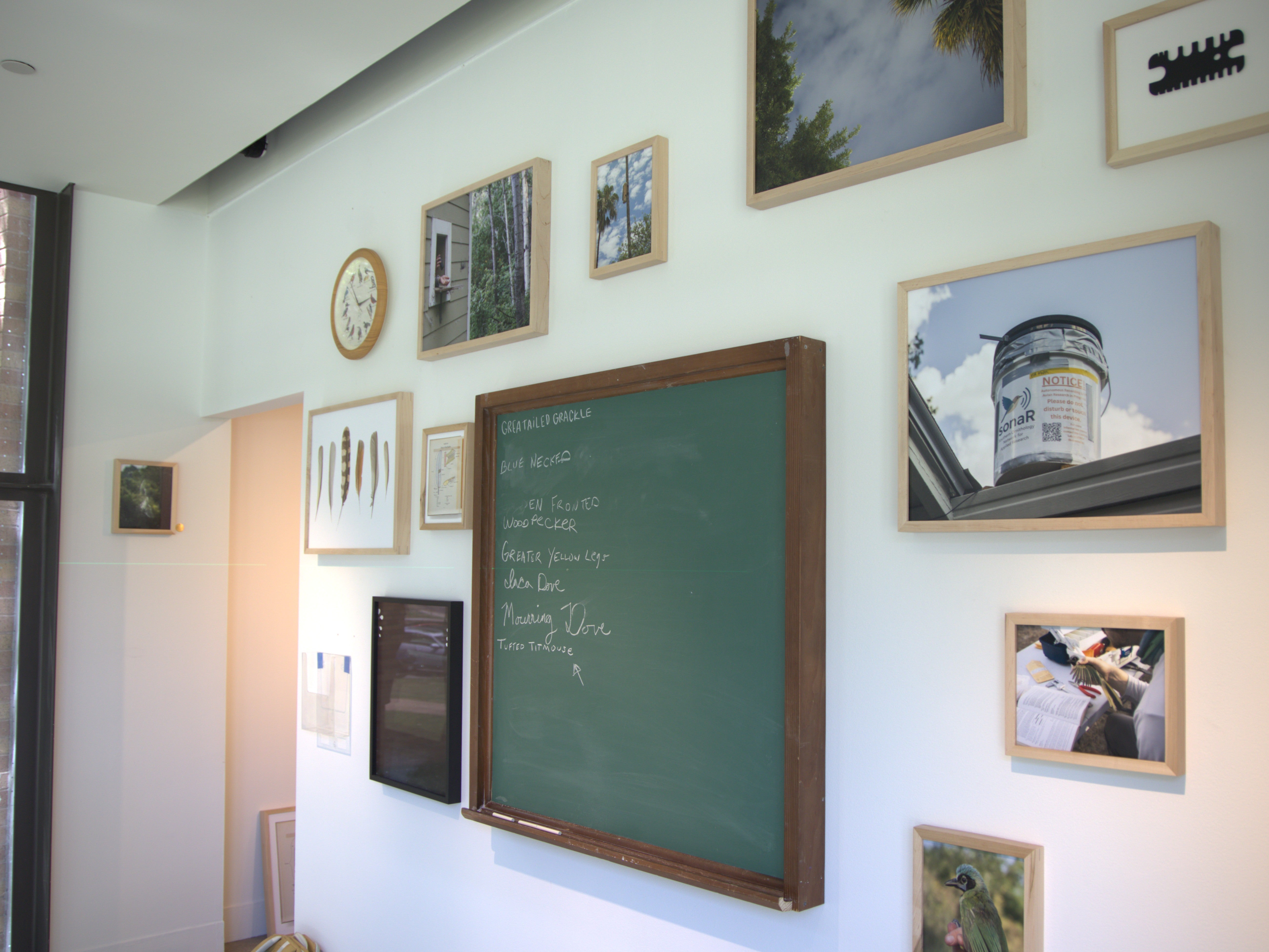
Through Keitt, Menjívar also met Andrea Contina, whose lab sits in the Lower Rio Grande Valley, a major migration corridor. Menjívar spent part of his commission on tracking sensors, then filled his exhibit with photographs, night-call recordings and a chalkboard modeled on the ones at birding centers that tally which birds have been spotted each day. The one on this wall tracks the species a newly installed device in his yard picks out by their calls alone.
A Bumper Crop
Menjívar isn't the only one turning research into something you can access in a museum. Ceramicist Kate Newby, with PT2050 researchers Adam Rabinowitz and Daniel Breecker, is building an outdoor sculpture designed to break down over the show's run — some of its wood scorched by wildfire, some waterlogged by floods — enriching the soil as it decays, a study site Rabinowitz calls a climate time capsule.
The Houston-based Sahara Dust Season Collective worked with Planet Texas 2050 co-chair Patrick Bixler and former PT2050 researcher Paola Passalacqua, now at ETH Zürich, on how we communicate before, during and after a flood, which shaped a calming, information-rich soundscape to help people steady themselves in a crisis.
Pallavi Sen, born in Mumbai and based in Massachusetts, treats gardens as sculpture — the planning, the tending, the slow work of watching something change. For the VAC, she will plant a heat-resistant garden in the VAC's outdoor courtyard in November, with clay planters and a new drawing framing the space.
Reaching furthest beyond the gallery is jackie sumell’s commission. The New Orleans-based artist is known for her solitary gardens — 6-by-9-foot planting beds the size of solitary confinement cells, designed by incarcerated people via letters they’ve sent her. For the VAC exhibition, she worked with Obie Weathers, a man on death row in Livingston, Texas, and integrated Carver's archive to create a meditation on captivity, land and what it means to grow something free.
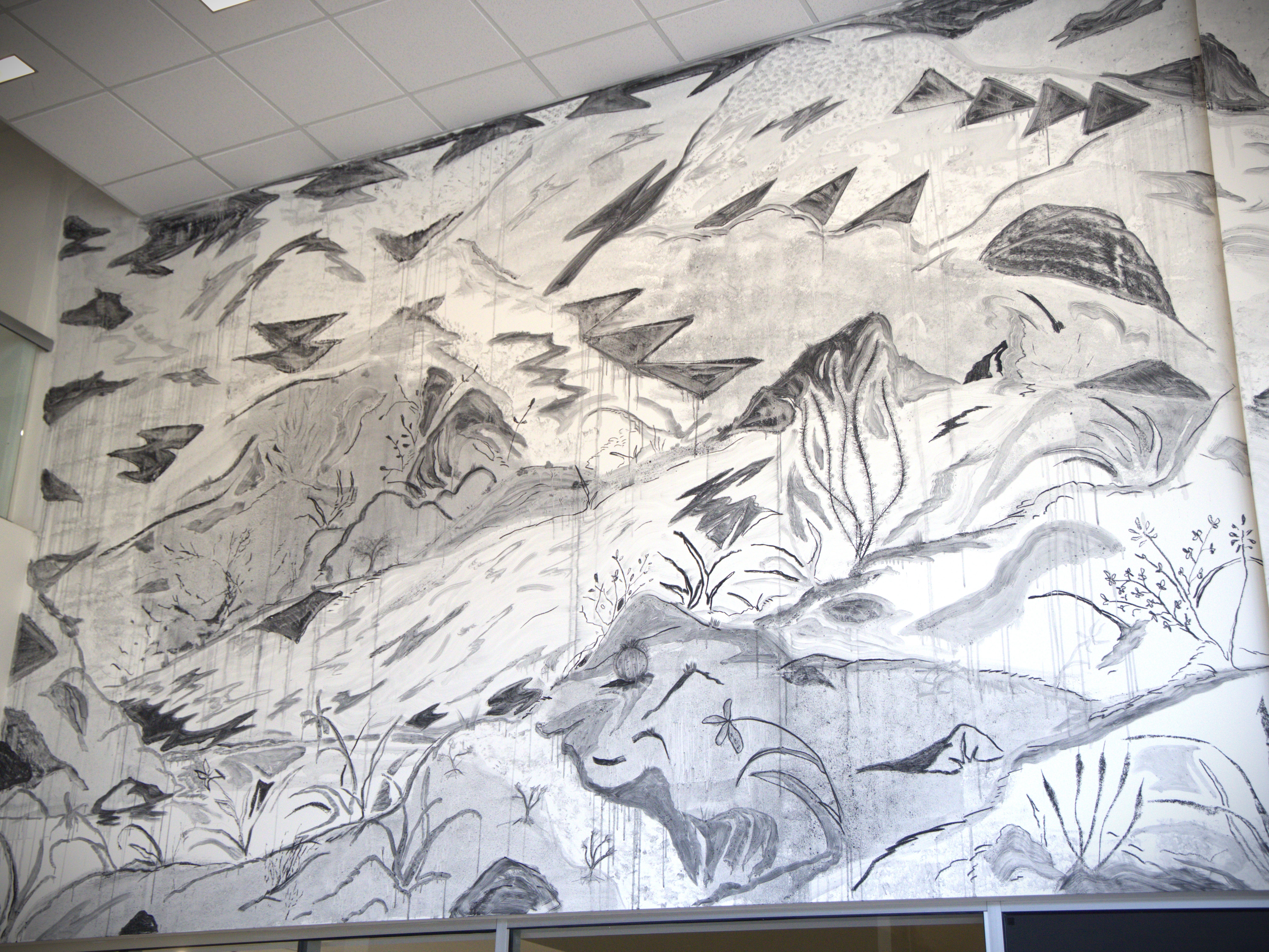
Not everything grew out of the Planet Texas pairings. Saif Azzuz's black-and-white mural — its native species and Colorado River scenes drawn in charcoal salvaged from controlled burns conducted with the Alabama-Coushatta Tribe of Texas — greets visitors in the entryway. As Holum puts it, the mural asks, "What are the conditions of making art? How do we show ourselves this landscape and spiritually connect to it, like charcoal sourced from controlled fires?" She calls the mural “a symbolic way to welcome people into the show.”
The exhibition is built to send people out with something to do, not just something to feel — or fear. Even in an exhibition about climate adaptation, Holum said, "there can also just be multitudes of fun and ways that we can really learn, [and] it should come through play and hope and connection and care."


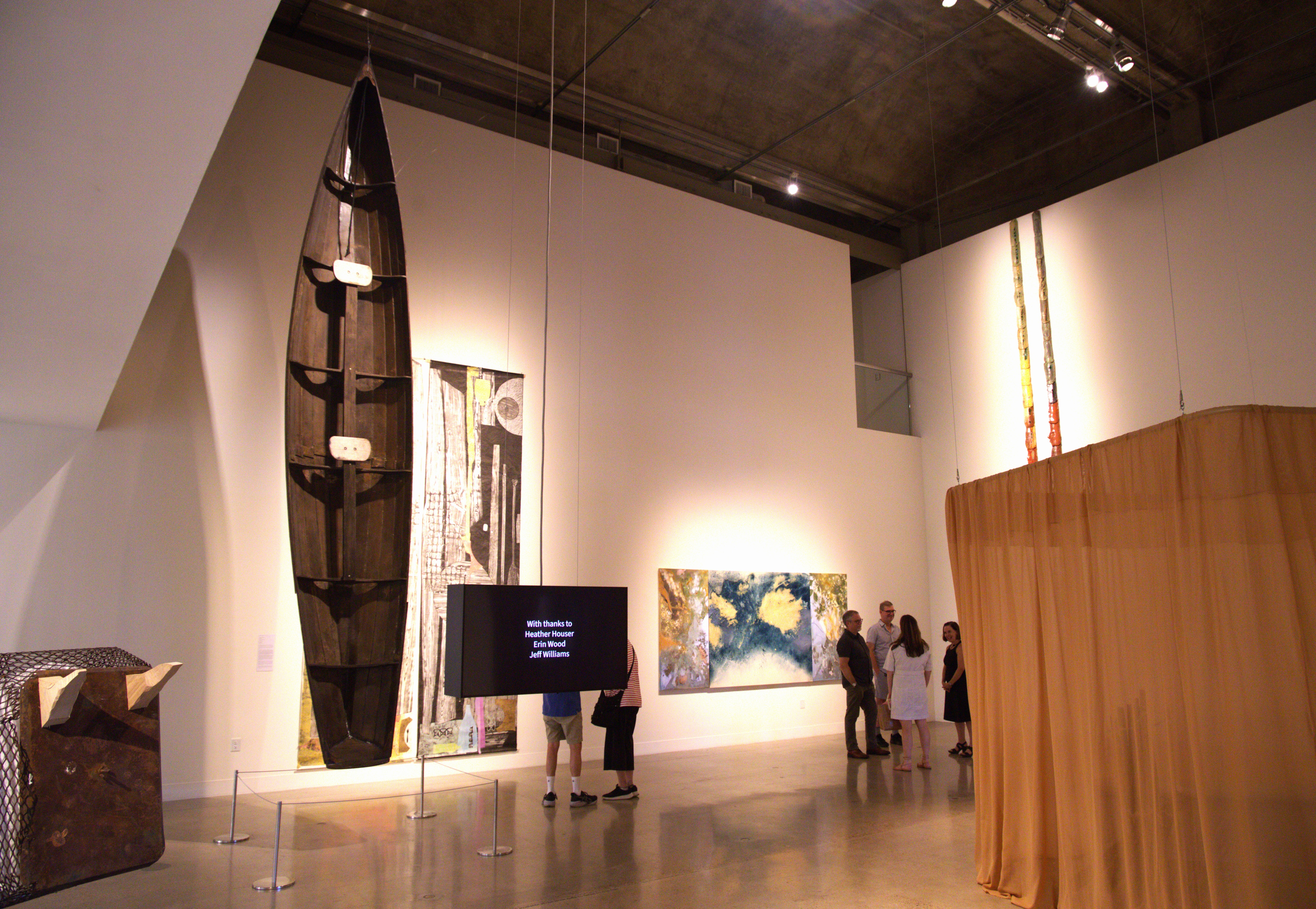 "How to Grow the Cowpea," a new exhibition at the Visual Arts Center, runs through March 5, 2027.